






|
|||||||
|
|
|
|
|
|||
|
|||||||
|
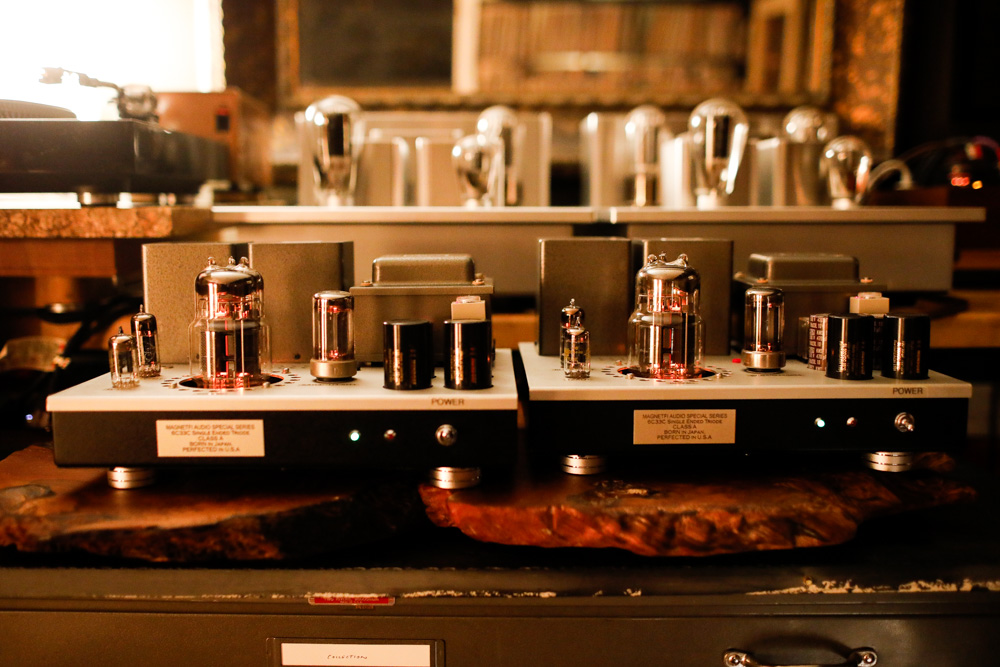
Custom Tango 6C33C February 2026 On September 6, 1976, Russian pilot Viktor Belenko defected from the Soviet Union. In his MiG-25 Foxbat fighter plane! He took off from Chuguyevka on a routine patrol, breaking away from his formation and flying at low altitude straight over the Sea of Japan, landing in Hokkaido on literal fumes. Inside his aircraft, which was carefully taken apart in the ensuing months, Western examiners were quite surprised to find so many vacuum tubes. It was the age of the transistor after all, but those “backward” Russians were still building vacuum tube technology. One of the most surprising tubes on the aircraft was a monstrous, heavy-duty hand grenade sized power regulator; a triode known as the 6C33C. And from that moment on this huge tube was destined for an audio circuit of some kind. Made in the millions, these big tubes flooded onto the market in eastern Europe after the fall of the Soviet Union. Apparently at one time selling for dollars per dozen, these beauties eventually made it into the hands of adventurous European and Japanese audiophiles, and so began a new triode audio legend. The 6C33C’s combination of very low plate resistance, high transconductance, and high current capability made it a great choice for Output Transformerless (OTL) designs, and it got its start there. But soon there were single ended and push pull designs for the 6C33C as well. Balanced Audio Technology, LAMM, Audio Mirror, Almarro and others have put the tube into their designs and the 6C33C has by now become somewhat mainstream in the tube audio community. But the 6C33C has some real quirks. It gets plenty hot, and has a reputation for burning up tube sockets, as well as cooking other components nearby like caps, resistors, etc. The 6C33C is also famously unstable during warm-up, with bias wandering until fully hot. I’m sure there are more, but suffice to say that there are some clear physical behavior issues that designers need to account for. But this is truly an interesting tube, and with 12-14 watts per channel its getting into 845 territory for drive and power reserve on an efficient speaker. Until now I’ve been on the sidelines with the 6C33C, although the Audio Mirror amps caught my eye years ago. But now I’ve found this very special pair of monoblock amplifiers, built to optimize the difficult-to-tame 6C33C. With all Tango iron, including specially wound output transformers, this is a great example of a classic Japanese hobby build, with amazing attention to detail and careful thought and execution in the design. It looks just like it like fell right out of an old issue of Stereo Sound! Extensively upgraded underneath by a former US-based owner with some of the best Mundorf and Nichicon caps, NOS noble volume pots, on-the-fly impedance selectors, silver plated power tube sockets, and US voltage conversion, this is a very high level take on the 6C33C. And it has a rare and coveted feature that I always enjoy; it runs completely silent, with no noise or hum of any kind, even with my ear shoved way into the speaker cone. This is just a beautiful build in every way. So how do these sound? Huge. These are thick sounding, meaty amplifiers that fill the room. It’s not anemic in any way. The 6C33C looks like it sounds, broad shouldered and imposing. Making 12 or so watts per channel, these are not small sounding amplifiers, they grip the speaker and push thick tones out into the room. They are particularly good at the “evil” sounding stuff, like some of Tom Waits’ darker sides or maybe Nick Cave. It’s not that the 6C33C amp makes a particularly special character of bass energy. Rather it’s just an extremely full sound, and on the right material this amp is just bursting at the seams with rich tone. From the beginning, I felt that the 6C33C was not as delicate and ethereal as the best of the little triodes, like the 45 or 2A3. But after many hours of listening and some back and forth with Yamamoto, Alpa and Tektron, I think the 6C33C does have most of the small nuances and detail preservation, but it comes with a very heavy grounding that veils some of it. Its presentation is fatter than the smaller triodes and you have to pay attention a little more for the nuances, whereas the leaner 45 or 50 throw those little microdetails out into the room in a bit more of an obvious way. Overall, I think the sound of the 6C33C is very much like the 6L6. It’s grounded, and punchy, and rich and it’s perhaps missing that tiny bit of air that 45 or 2A3 bring to the table. That feeling of reality that the best triodes have. For example: piano strikes from the 6C33C have realistic body, but a bit less of the haunting sparkle. On Diana Panton’s version of Hushabye Mountain, the strings come in strong and solid, and then the voice is nice, but not as light-footed and present as the small triodes. The voice is missing whatever that little sparkle of character is. Chip Taylor’s gruff vocal is perfect and growly, but there is less of a spread out feeling, its more constrained. It’s still very good mind you, but with 20 years of preferences all climbing up toward that last little bit of fairy-magic sparkle, I miss it here. On the other hand, Chet Baker absolutely fills the room with this amplifier. It is big, big, big. And quite believable. With 12 watts, some of that is about raw power that the little SET amps lack. On When My Heart Stood Still the performers are positioned just right and solidly in their places, and when they come forward in the sound stage for their standout, they’re right there with me in the room. Lots of real sounds from the piano! This amp is a champion at the full sound. I generally prefer Chet on the McIntosh MC30 with KT66 in place, but the 6C33C brings out all of that fat gusto while showing a little more of a realistic-feeling presence than even the KT66 equipped MC30. And that’s a big compliment from me. 6C33C has been a long time coming for me, but it's been worth the wait to experience this gorgeous pair of monoblocks. I don't know if this is the case for the 6C33C in general or not, but I find the sound to be too similar to the 6L6 to have a place in my (currently reducing) collection. But anyone, myself included, would be happy spending many hours in front of the rich tones and warmth of this amplifier. I’ve enjoyed my time with it, and look forward to perhaps an Audio Mirror or OTL 6C33C experience some day down the road. Happy listening! |
||||||||
|
||||||||
|
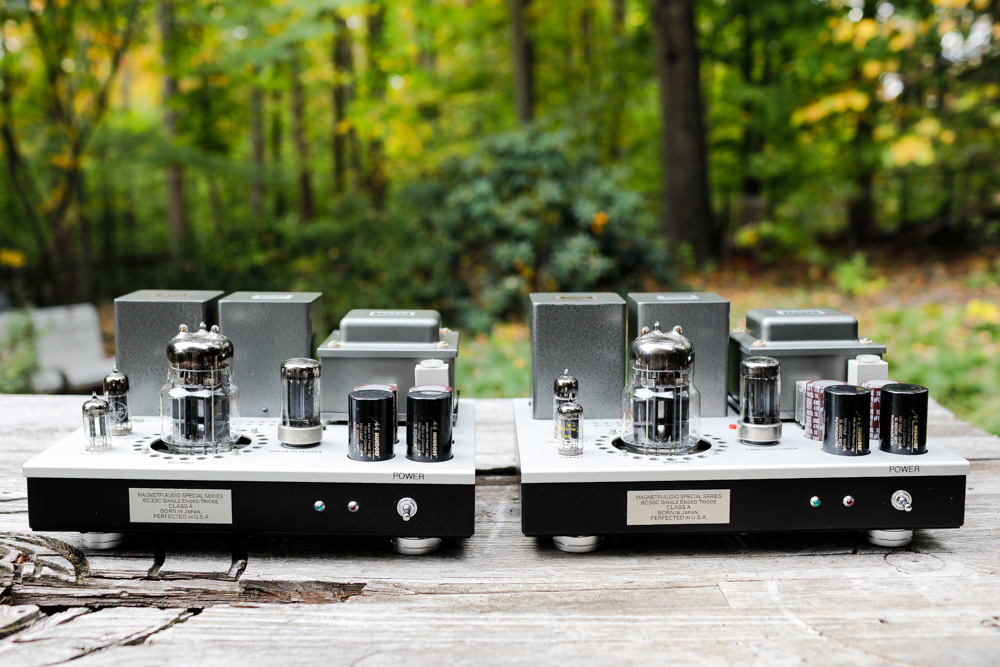
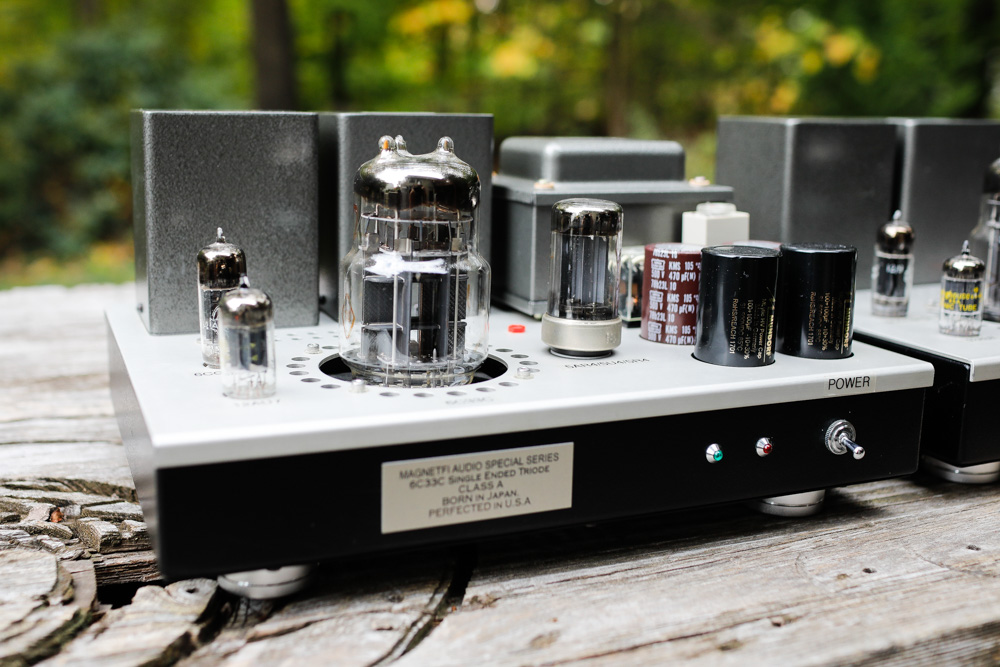
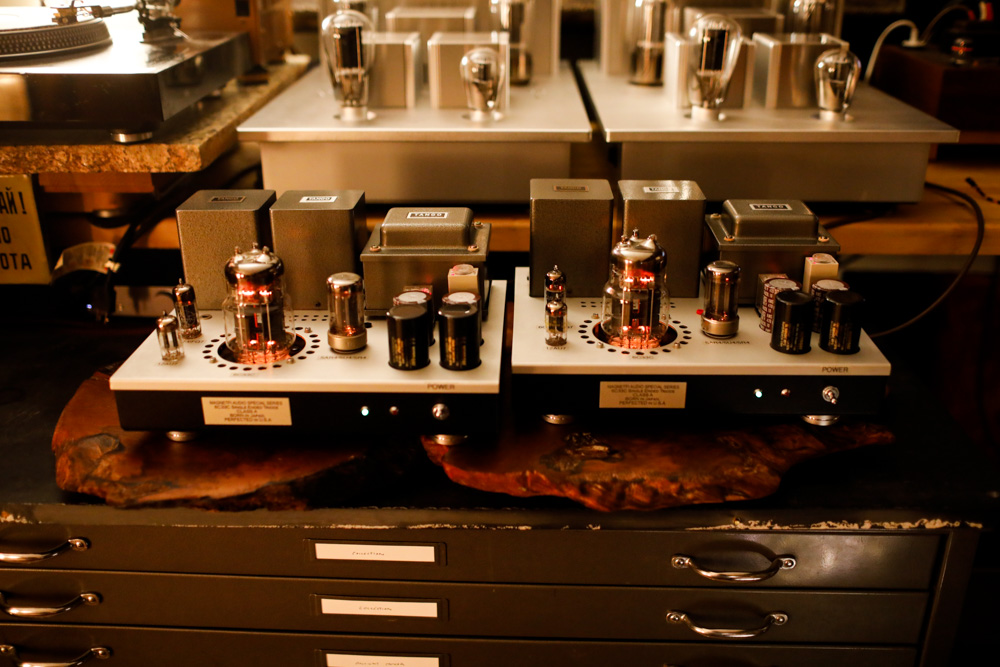
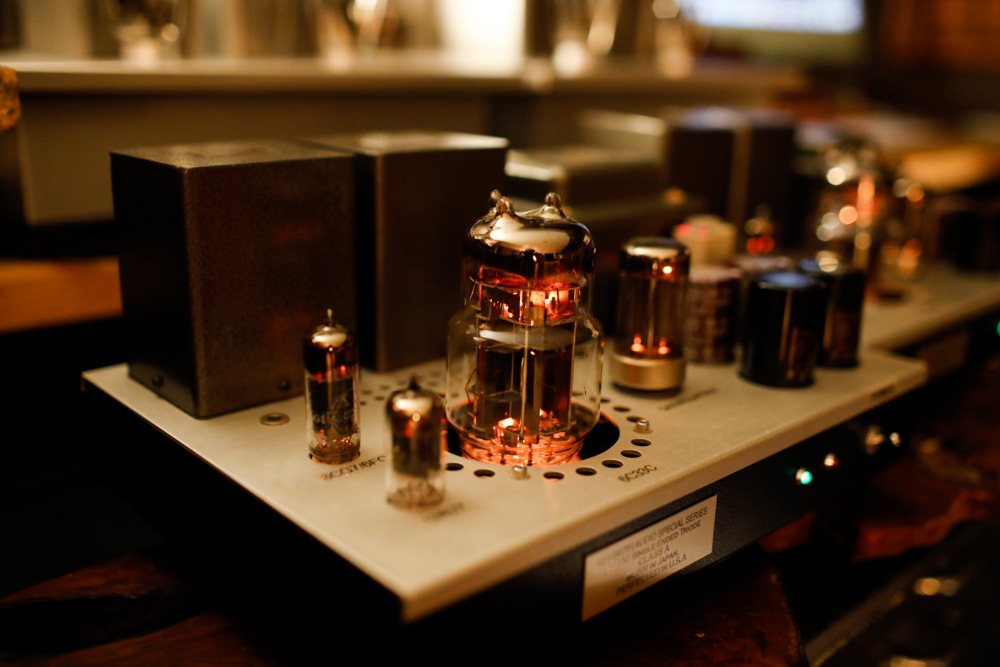
Classic Japanese hobby lines, like something from “My Handiwork” in Stereo Sound. These are seriously well built amplifiers, on par with absolutely anything I’ve had in the room to date. They are almost like big jewels, very dense and solid in the hand. Someone invested a lot of time and energy into making these. |
||||||||
|
||||||||
|
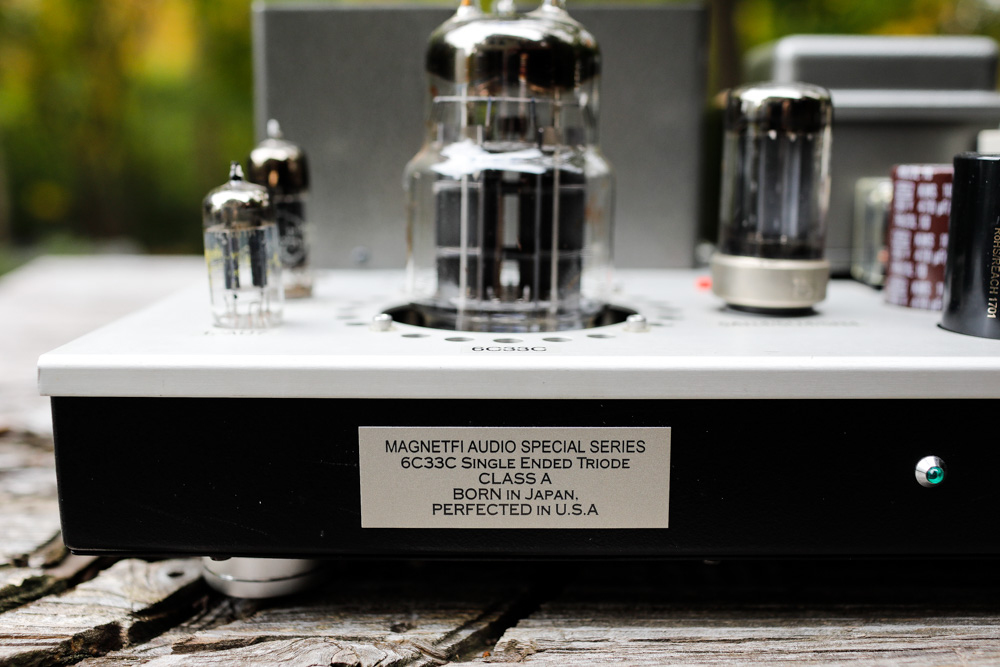
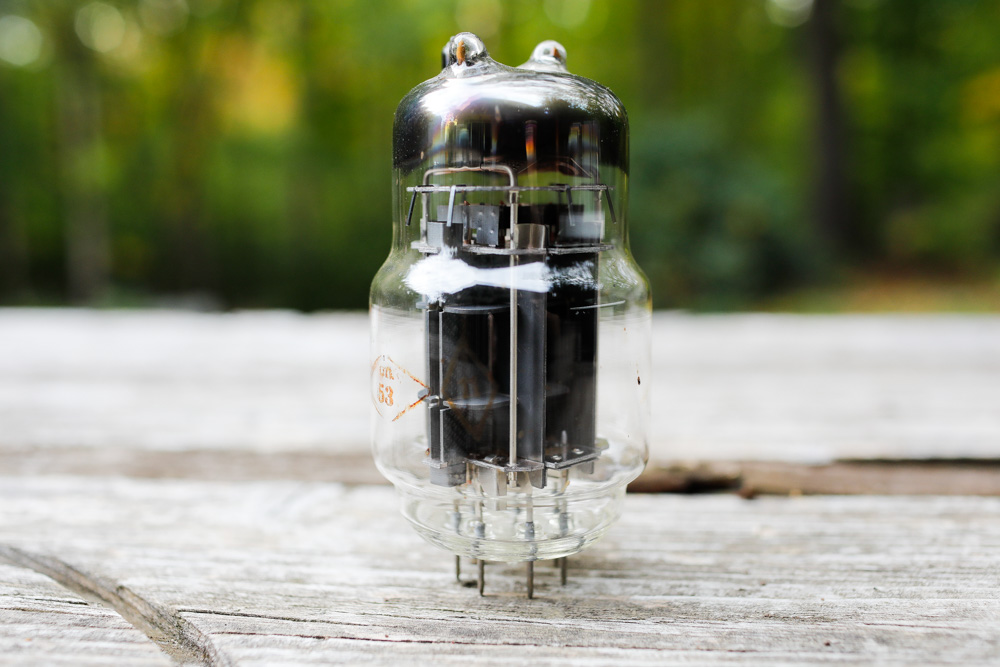
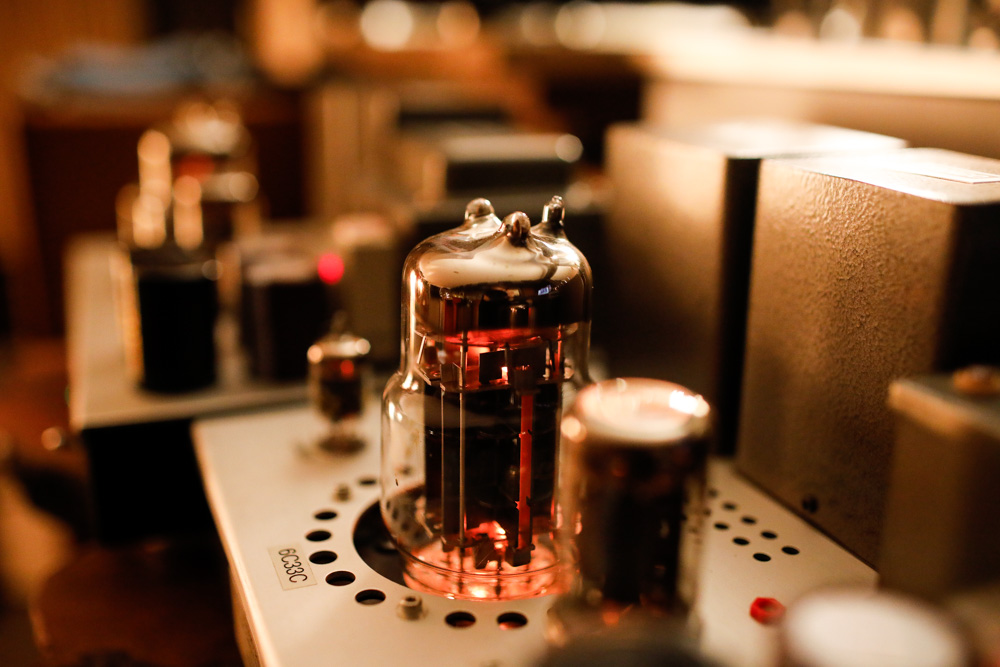
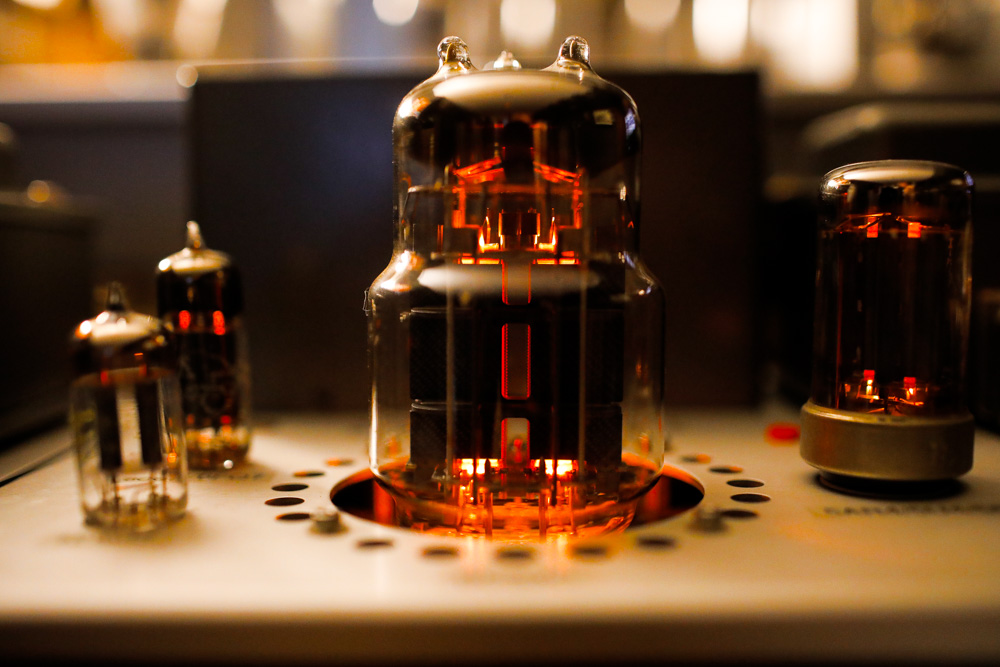
The 6C33c is a mean looking tube. Big and bold but with dancer’s feet. |
||||||||
|
||||||||

|
||||||||
|
||||||||
|
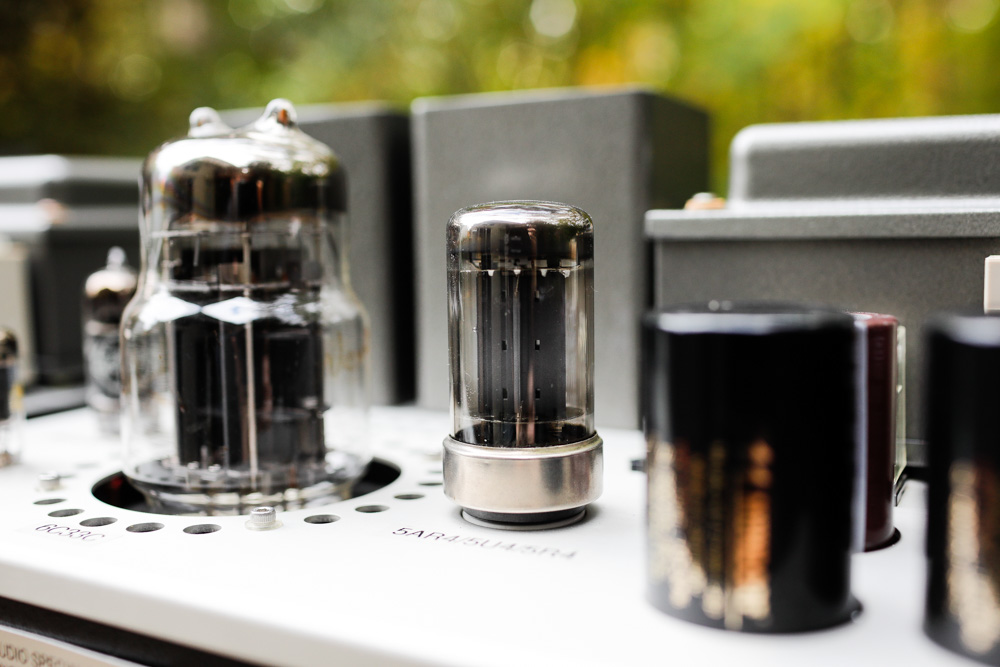
5AR4, 5U4, and 5R4 all work in this amplifier. Here with a pair of early Amperex metal collar 5AR4. I’ve only used these 5AR4 in the amp so far, but I’m guessing there are some audible changes in the amplifiers with different rectifiers bringing presumably different operating points. |
||||||||
|
||||||||
|
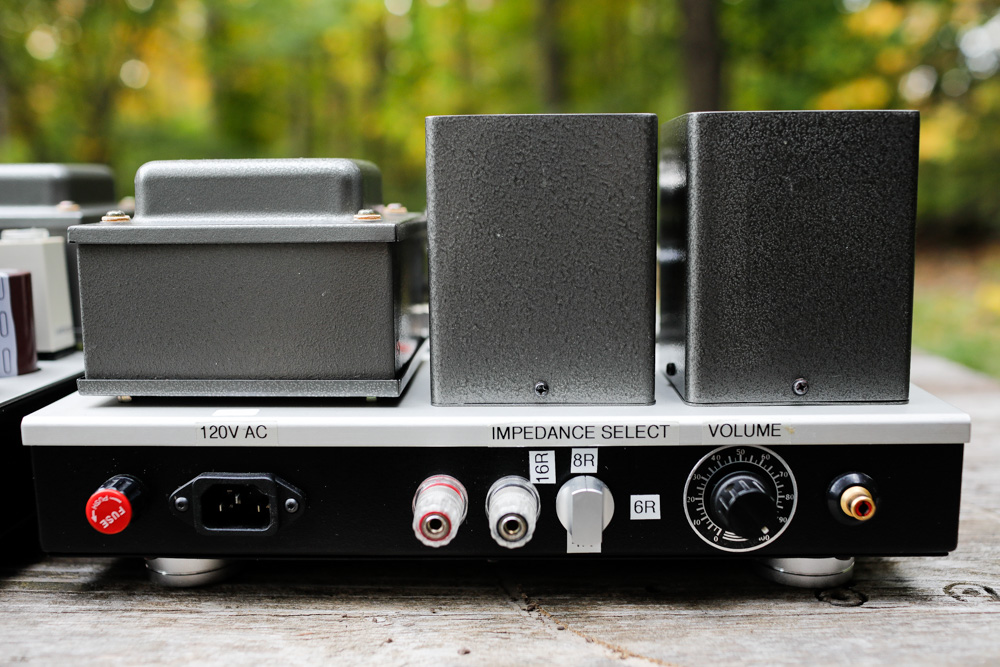
Switchable on the fly impedance and rear mounted volume pots make these very flexible amplifiers; with no need for a preamp and able to run most speaker loads. Very nice! |
||||||||
|
||||||||
|
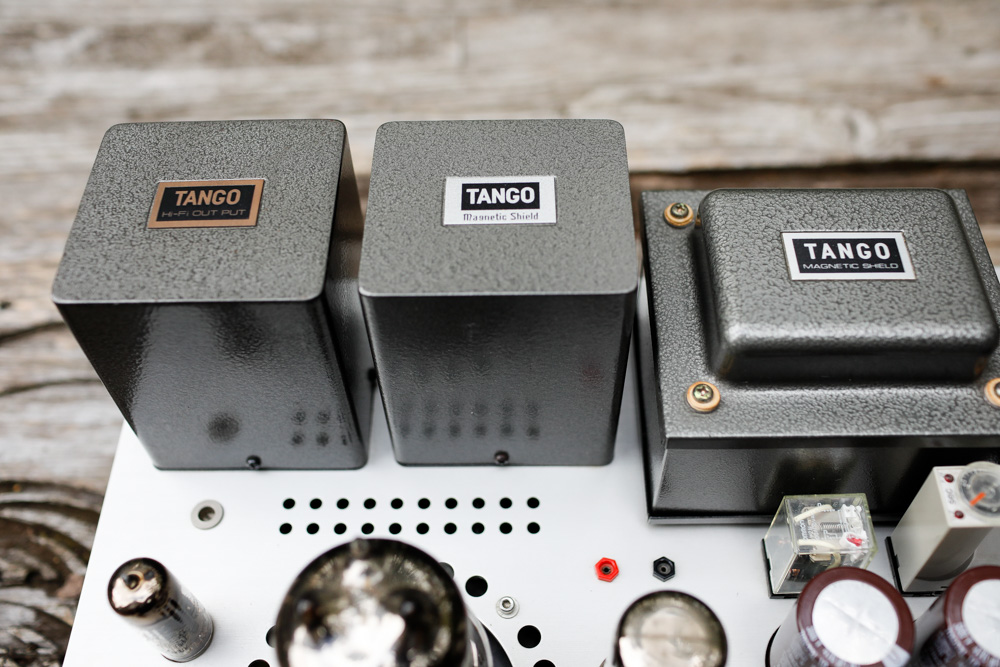
Tango, Tango and more Tango. |
||||||||
|
||||||||
|
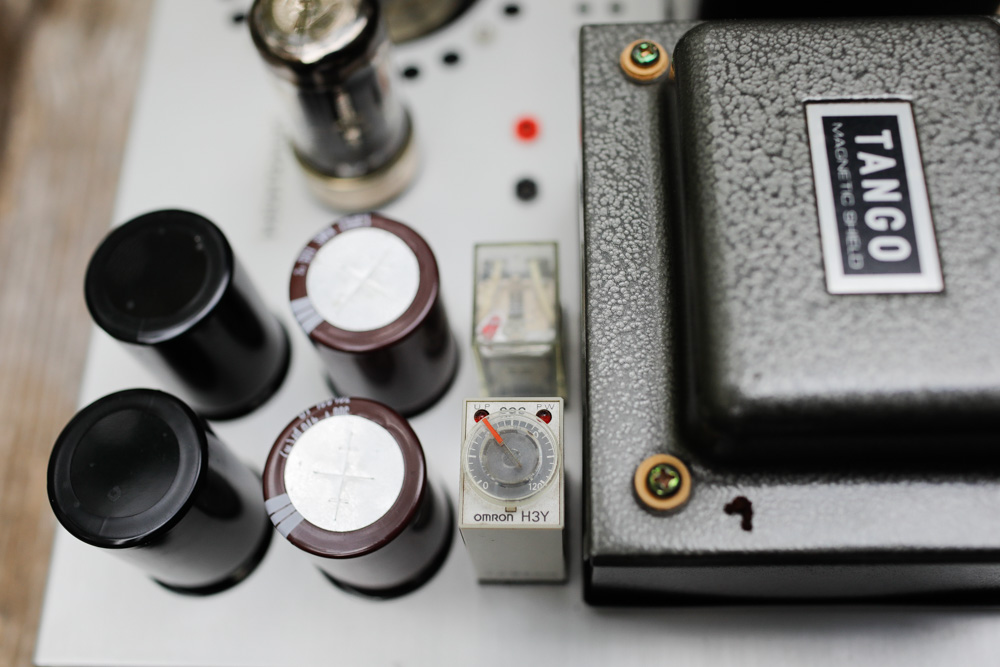
Yet another interesting feature on these amplifiers are delayed plate voltage at startup. It takes about a minute after flipping the power switches for these little boxes to click and apply voltage. |
||||||||
|
||||||||
|
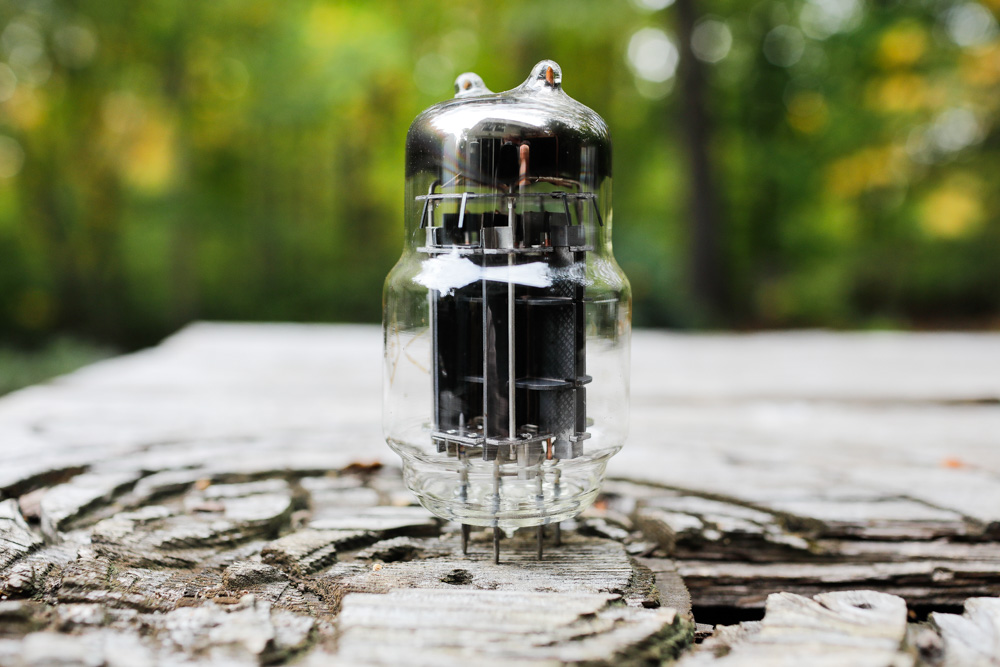
This is a very robust and solid tube. Military tubes like this and the Bendix stuff certainly look cool. |
||||||||
|
||||||||
|
|
||||||||
|
||||||||
|
|
||||||||
|
||||||||
|
|
||||||||
|
||||||||
|
|
||||||||
|
||||||||
|
This is a lot of single ended power on tap! 60 watts of 845 and 12 watts of 6C33C. This kind of power combined with the detail retrieval and emotional presence single ended creates can be thrilling on 100 db/wm speakers. |
||||||||
|
||||||||
|
This is a very unique looking vacuum tube! |
|
|||||||
|
|
|
|
|
|||
|
|||||||
 |
|||||||