






|
|||||||
|
|
|
|
|
|||
|
|||||||
|
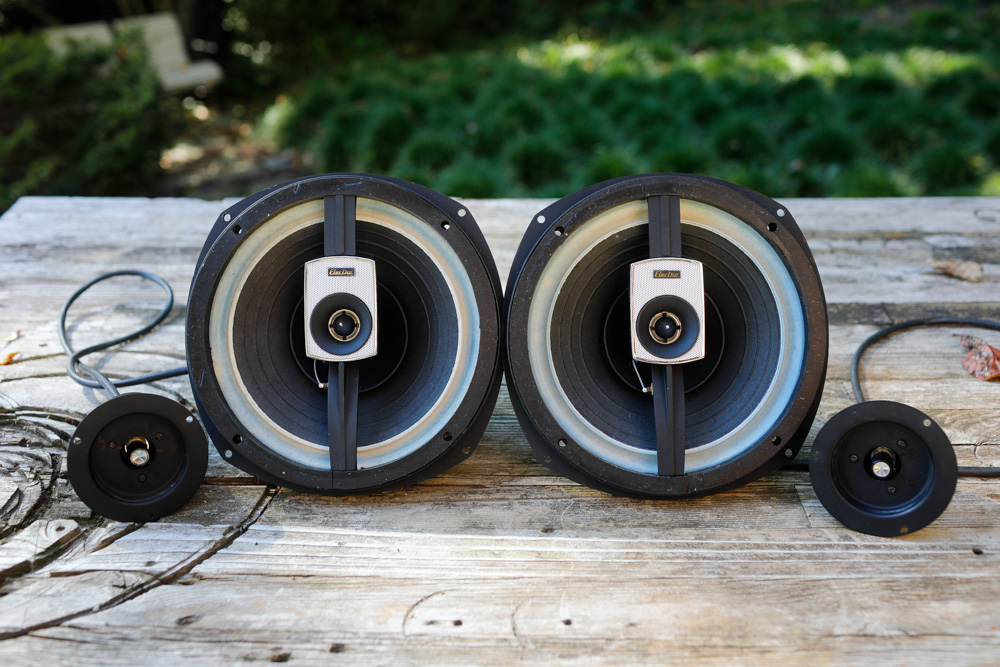
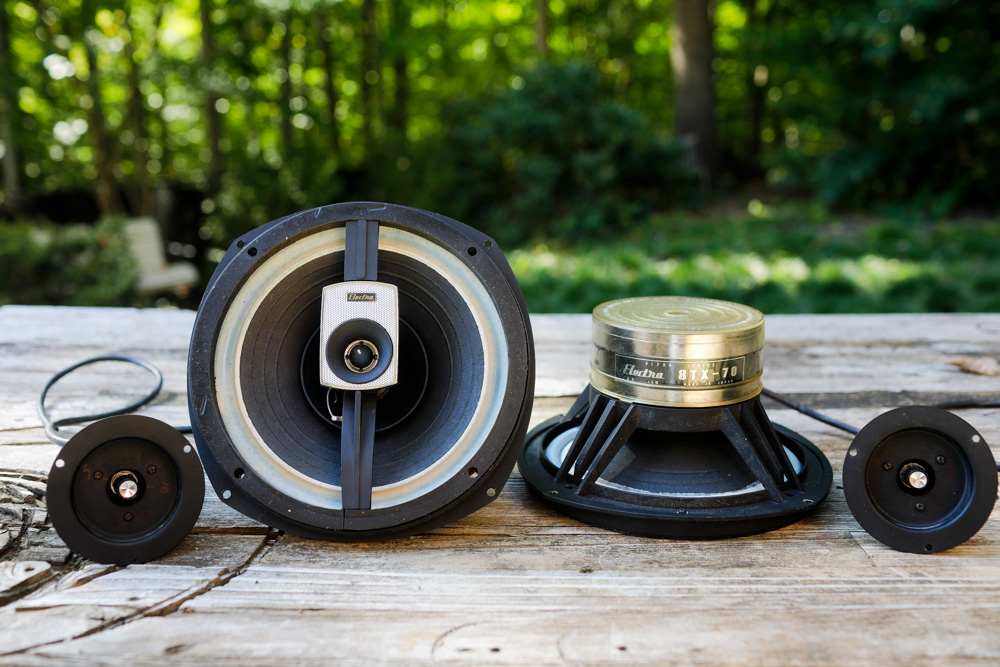
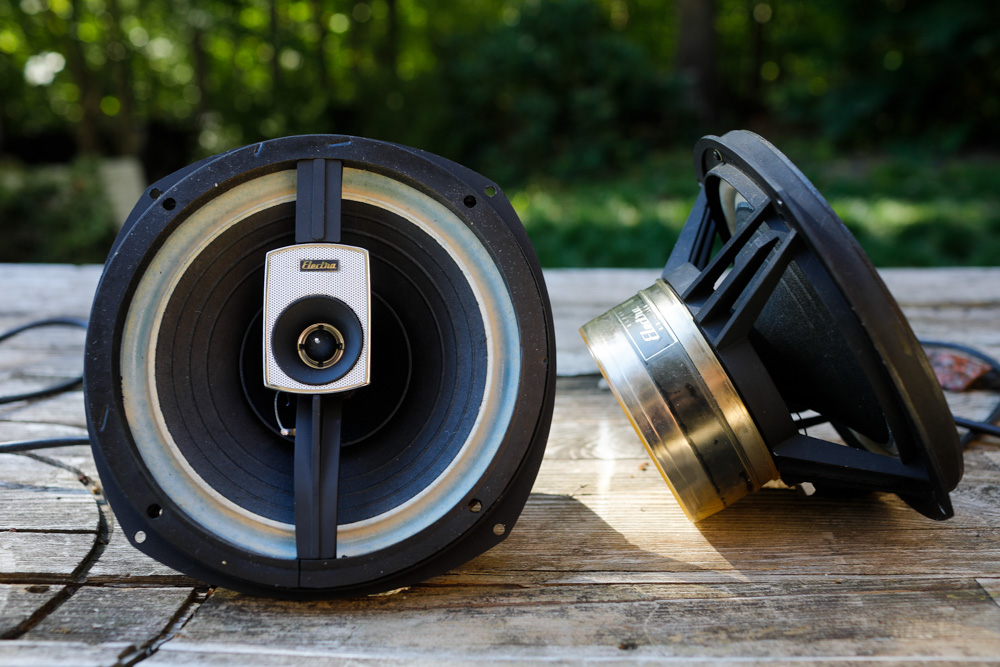
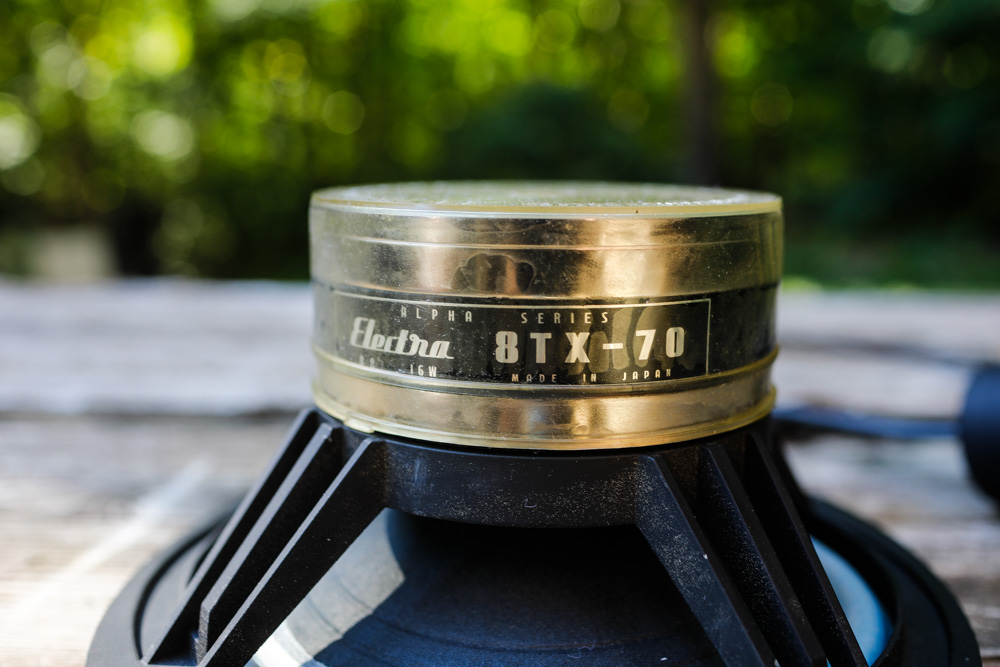
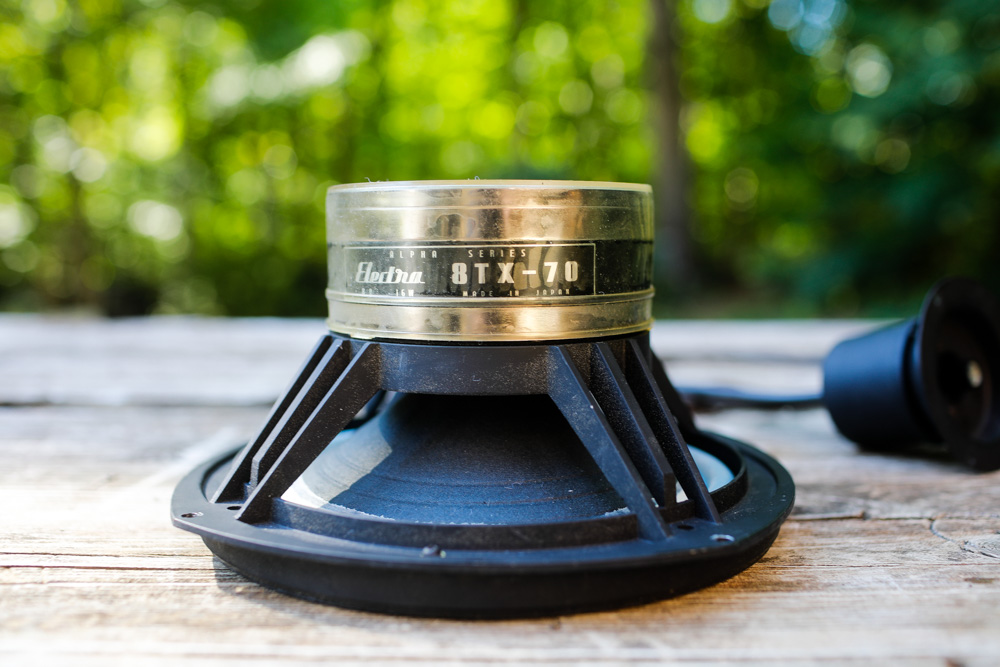
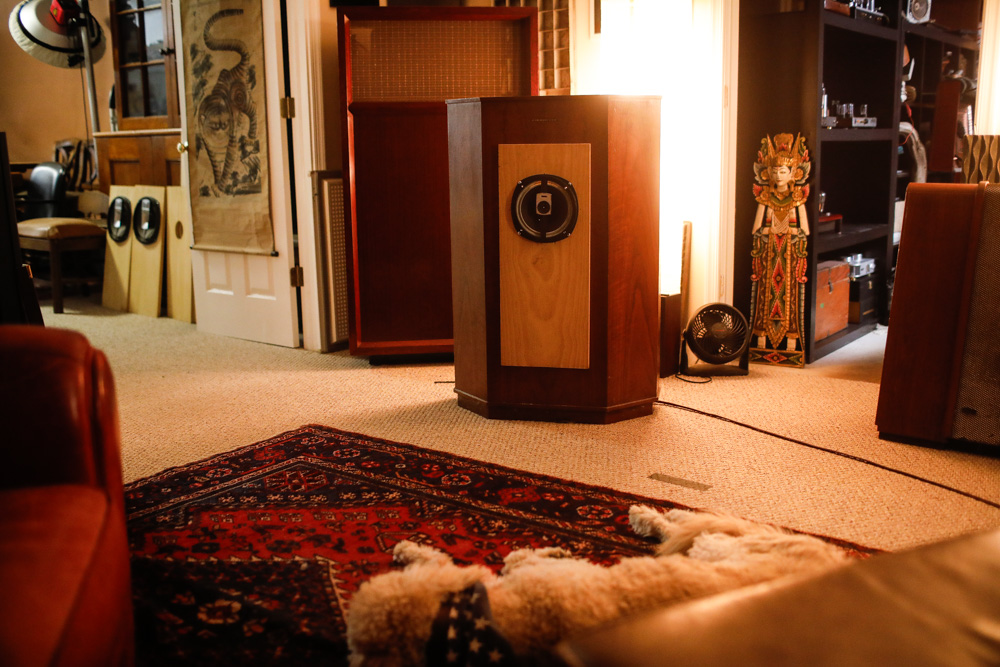
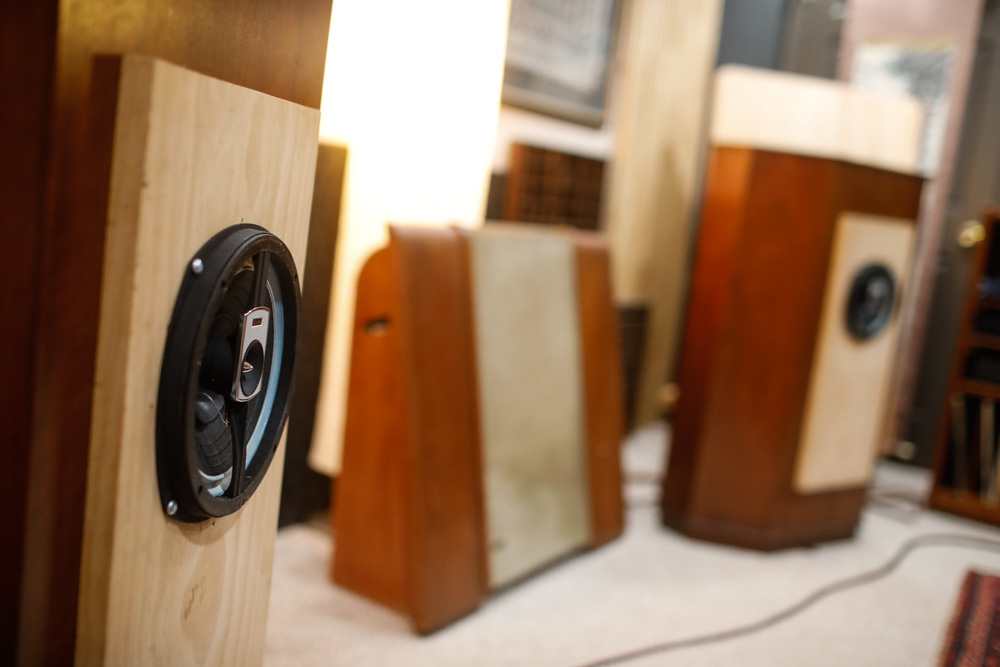
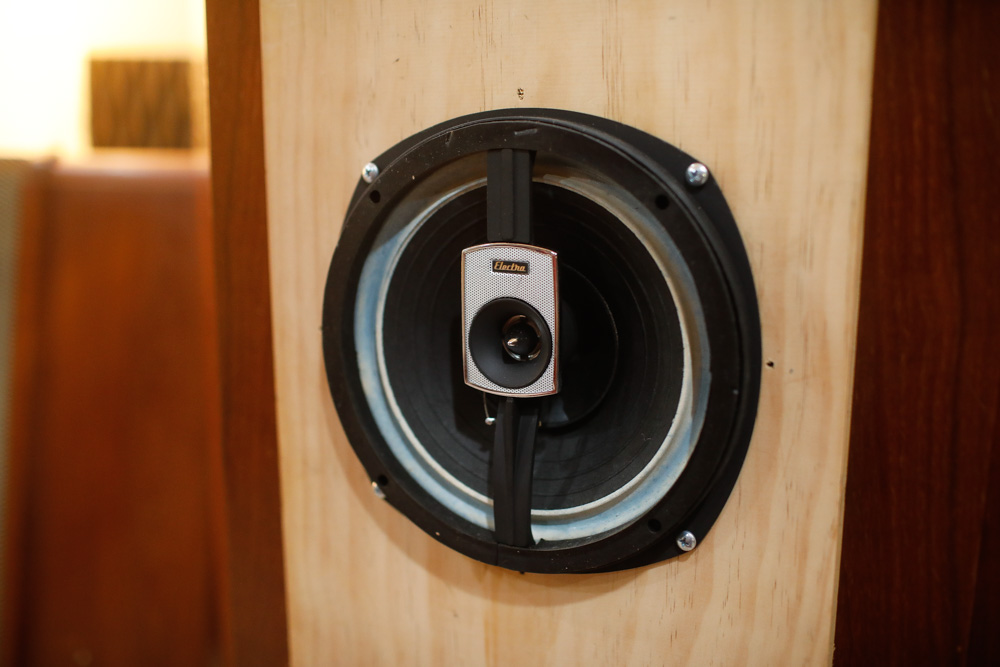
Coral Electra 8TX-70 Full Range Drivers After years of owning and enjoying 8 or 10 different Coral speakers (I’ve lost count), I think the 8TX-70 shown below could be Coral’s best sounding drivers. But it took a good bit of time for them to open up and really show what they could do, and I almost gave up too early. I found my pair on eBay, freshly harvested from large bass reflex cabinets. They came down from Canada, and arrived in pristine, almost factory fresh condition. Hooking them up for the first time, and hmmmm. A little dull and small sounding, and not at all what I had expected. I let them run for a few days but they didn’t change much. Perhaps they were a bit of a dud? With so many other drivers on hand, I listed the 8TX-70 for sale and figured I’d move on to another choice. A few weeks passed without a single query on the drivers, so I decided to mount them back up and try again. My family and I were going away for a long weekend, so I left the Corals hooked up to a small 10 watt class D chip amp running internet radio. 120 hours of nonstop playtime changed everything. Coming downstairs after arriving home and I could already hear a big difference in the sound. Getting into the room and I just had to smile; they sounded great! And as it turns out, the Coral 8TX-70 are not just good sounding drivers, they are fantastic performers. Like all Corals, the 8TX-70 are fairly efficient, I’d guess 96 db/wm or so, and they run fine with a 45 or 300B amp. But hooked into a more powerful platform, like the McIntosh MC30 or Psvane’s 845 Reference SET, they reveal a depth and sparkly space that is really something to hear. My guess is that these drivers were a late run product from Coral and are basically a Beta 8 with black cones and a horn super tweeter instead of a whizzer cone. Regardless of their pedigree, these are in a class by themselves in my experience with Coral. Anyone looking at this page can see that I’m a Coral fan, and until now their smaller drivers like the Holey Basket and the Flat 5 V2 held the top spot in my estimation. Well there’s a new kid in town, and the 8TX-70 has become my desert island Coral. As I’ve said before, Coaxial drivers are such a smart solution. There are few if any of the compromises in these designs that a single cone driver has. Both the wide band driver and the tweeter are optimized for their roles and the crossovers are generally very light handed. A real, well integrated tweeter does make a difference, and having it coaxially mounted means the timings are correct and our sensitive ears still hear the presentation as a point source. The Coral 8TX-70 are extremely well made. Solid and dense, they feature rigid but minimalist frames with large ceramic magnets, in my case with aged and yellowing clear plastic covers. An attached L-pad gives some adjustable range to the high frequency response. These were built with care and precision. Back-to-back with my other favorite coaxial, the Isophon PH2132, the Coral is sharper and more “hifi” sounding, but the Isophon is more natural and effortless for want of a better term. Both exhibit just incredible imaging if it’s in the recording. Depth and space and the feeling of “reach out and touch” are vary palpable from both drivers. I’d be hard pressed to make a choice and that is very high praise for the C8TX-70. Back-to-back with the older Coral 10CX-70, the 8TX-70 throw a somewhat more vivid soundstage than the (also fine) 10CX-70, and have a clearer and slightly more open feeling to their sound. The 10CX-70 are a little more rounded in their presentation, but still do sound superb. Hard to go wrong here, folks. So you can see that I’m enthusiastic about the Coral 8TX-70. I really do think that Coral made some of the best sounding speakers of all time, and this one sits at or near the top of that pile for me. Coral’s designs evolved a lot over their many years of production, and I suspect that these are a late-run, top-shelf effort that incorporate everything Coral had learned along the way. Super highly recommended, but be sure to give them some run-in time before jumping to any hasty conclusions. |
||||||||
|
||||||||
|
Solid, well made, and supremely enjoyable, these coaxial Coral 8TX-70 drivers are perhaps Coral’s ultimate flagship speaker. |
||||||||
|
||||||||

|
||||||||
|
||||||||
|
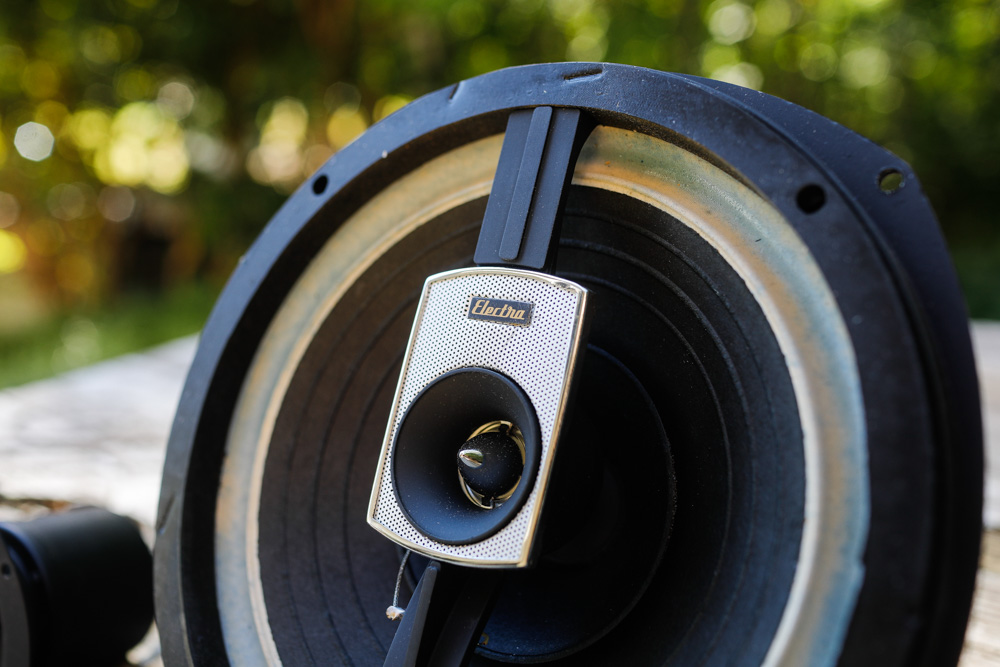
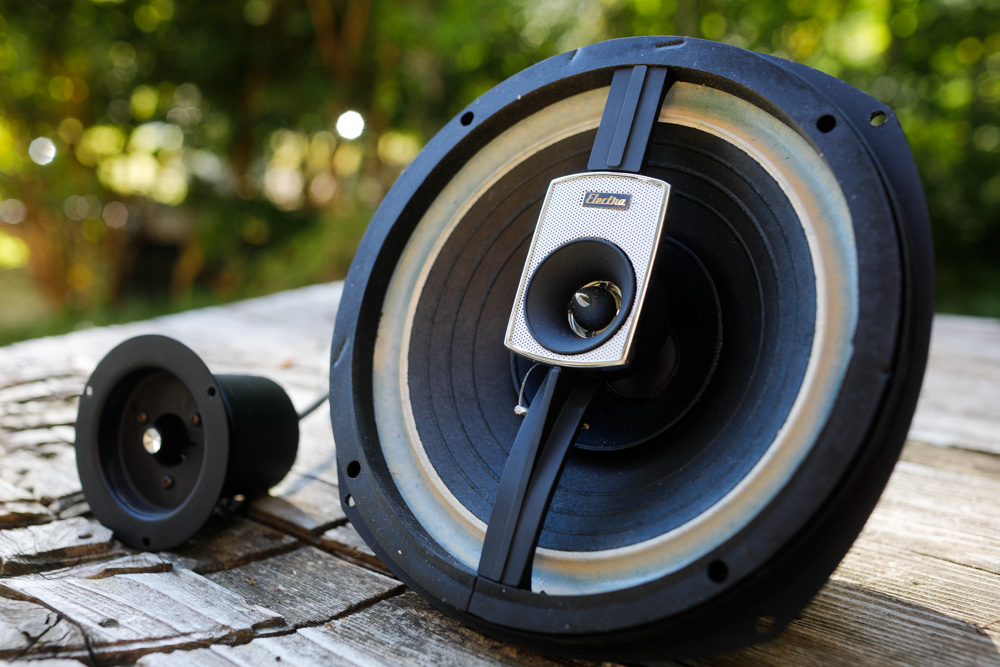
The horn super tweeter looks almost like a toy, but it fills in the sparkle and space just perfectly, and is user adjustable via the built in L-pad. I think overall I prefer a paper cone tweeter like in the Isophon PH2132, but the presence factor from the little horn is delightful. |
||||||||
|
||||||||
|
|
||||||||
|
||||||||
|
|
||||||||
|
||||||||
|
|
||||||||
|
||||||||
|
|
||||||||
|
||||||||
|
|
||||||||
|
||||||||
|
|
||||||||
|
||||||||
|
|
||||||||
|
||||||||
|
|
||||||||
|
||||||||
|
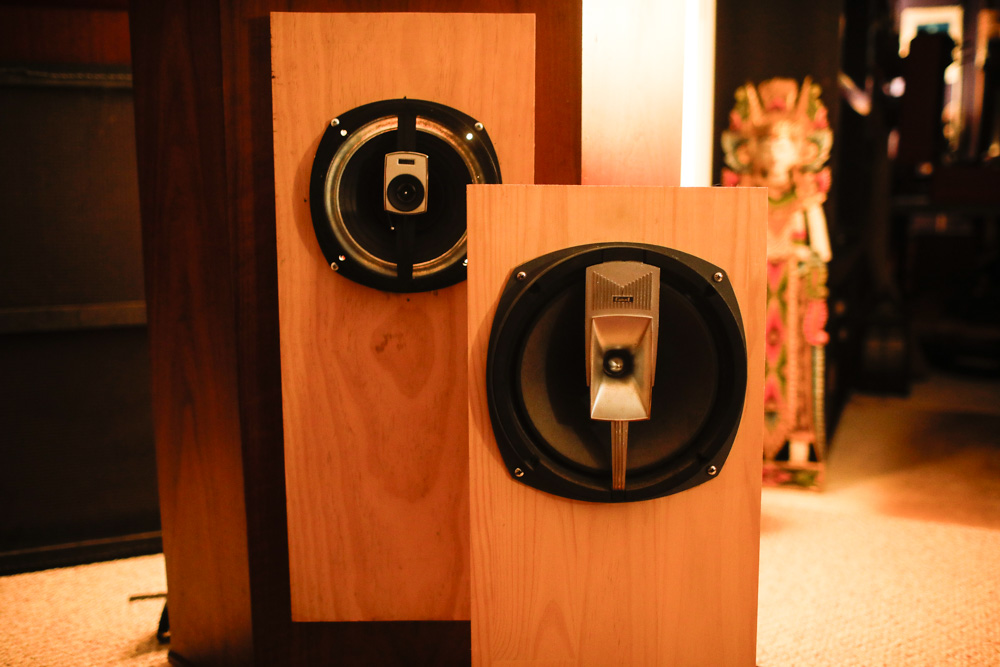
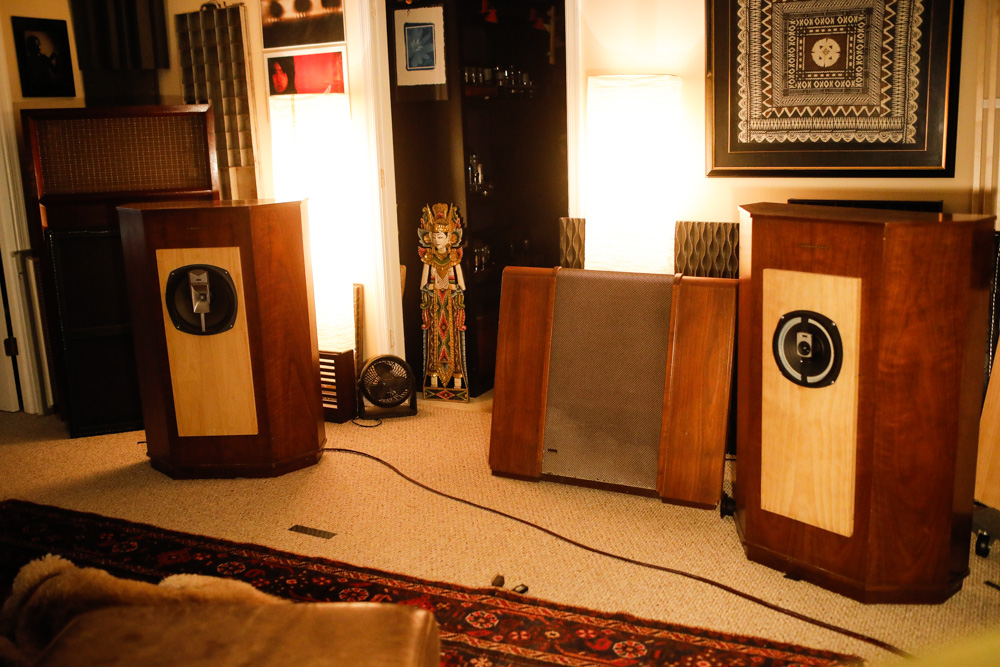
Back to back (and side by side) with an old favorite, the 10CX-70. 10 versus 8. Alnico versus ceramic. In the end the 8TX-70 is more hifi and “present”, while the 10CX-70 is more diffused and relaxed in comparison. Taste wise: Little girl folk guitar or small scale acoustic is the 8TX-70. Old school Jazz is the 10Cx-70. |
||||||||
|
||||||||
|
|
||||||||
|
||||||||
|
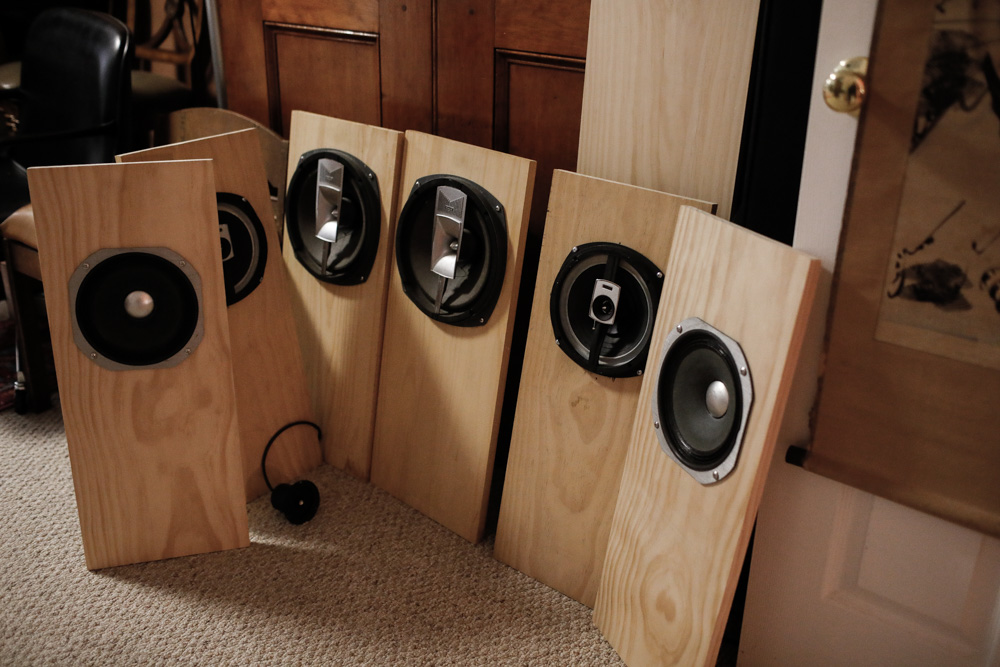
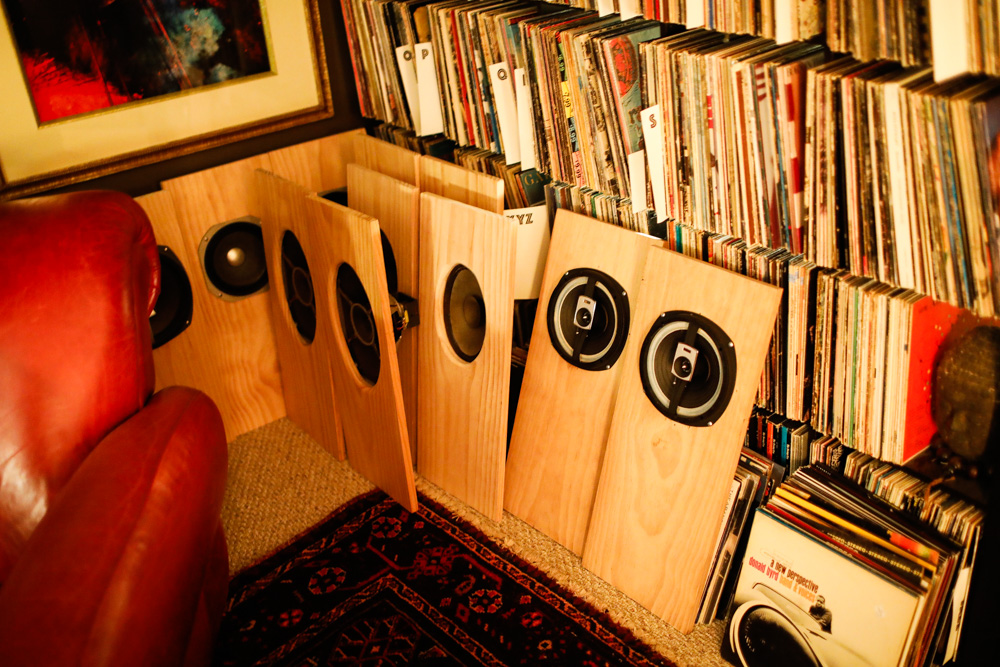
A few of the vintage drivers on hand during testing. I’ll reiterate that I do think the 8TX-70 are my favorite Corals so far, but each of these is an outstanding driver in its own right. The oval shaped Isophon PH2132 seen in the middle front above is probably the overall high water mark of this hobby for me. |
||||||||
|
|
|||||||
|
|
|
|
|
|||
|
|||||||
 |
|||||||